
The 7 Things Most Event Photography Briefs Forget (Free Template Included)
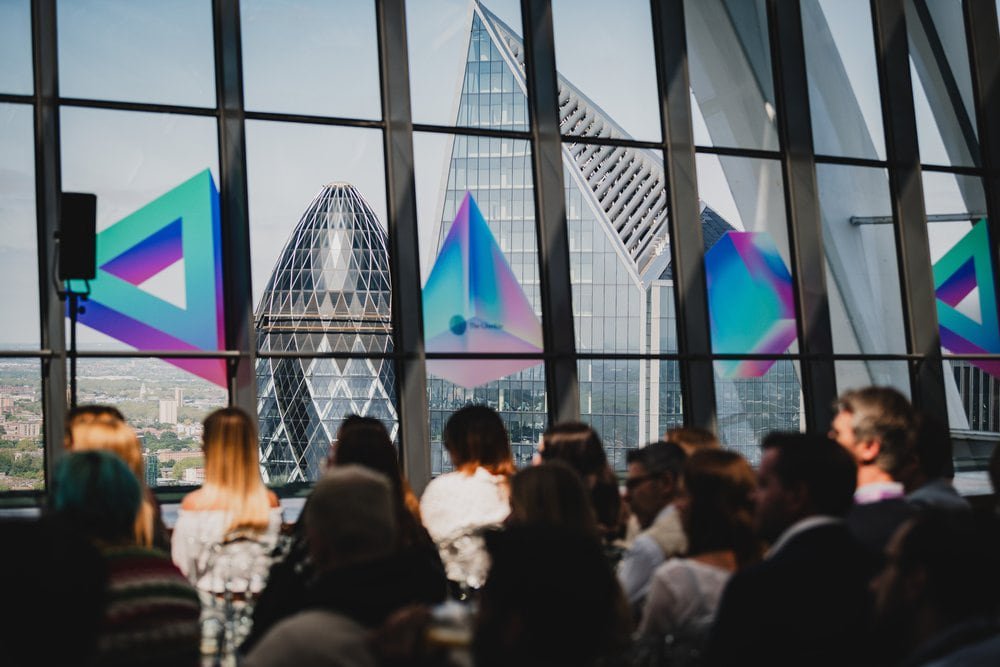
At Raccoon London, we photograph conferences, awards ceremonies, networking events and brand activations at venues across London, including the City of London, Canary Wharf, ExCeL London, Tobacco Dock and The Brewery.
We've photographed events where the brief ran to ten pages.
We've photographed events where the brief consisted of a WhatsApp message and a postcode.
Surprisingly, the length of the brief rarely determines the quality of the results.
What matters is whether the photographer understands what is important.
At Raccoon London, we photograph conferences, awards ceremonies, networking events, brand activations and corporate events across London and internationally. Over the years we've noticed the same gaps appearing in event photography briefs again and again.
The good news is that most of them are easy to fix.
If you're planning an event and want better photography, these are the seven things worth thinking about before sending your brief.
1. How Will The Images Actually Be Used?
This is probably the most important question in the entire brief.
Many event organisers tell us what the event is, but not what the images need to achieve afterwards.
Are they for:
- LinkedIn?
- Sponsor reporting?
- A press release?
- Future event marketing?
- Internal communications?
- A website refresh?
- Paid advertising?
The answer affects everything from licensing requirements to what the photographer prioritises on the day.
A photographer capturing content for a press campaign may work very differently from one capturing images purely for internal reporting.
If there's one thing to include in every brief, it's how the images will be used after the event.
2. Who Absolutely Must Be Photographed?
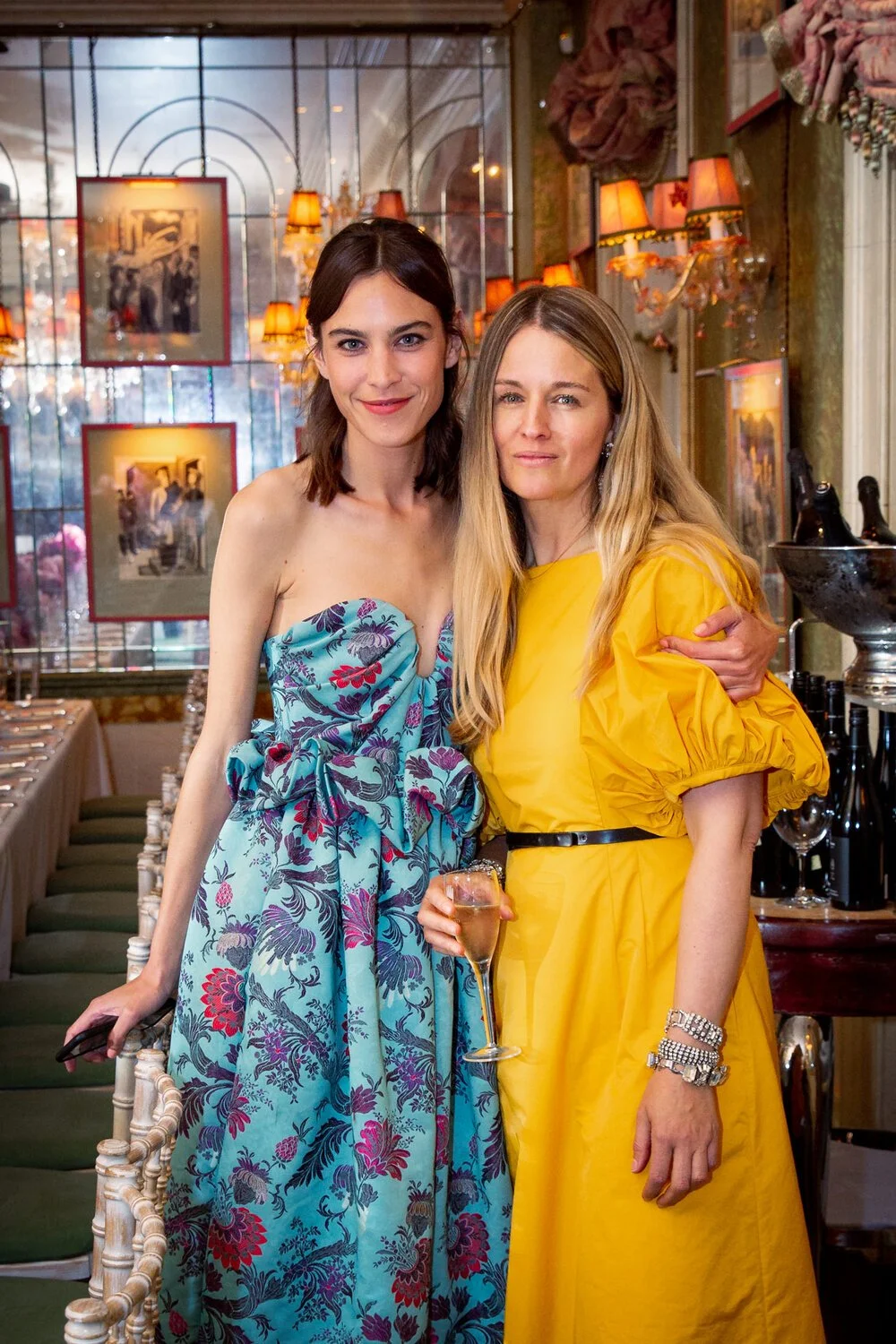
Identifying key people in advance helps ensure important guests appear in the final gallery.
Every experienced London event photographer has had this moment.
We once photographed an award ceremony where the CEO arrived unexpectedly, gave a speech, speaks to three guests and leaves twenty minutes later.
Nobody mentioned they were attending - or that they would be leaving so quickly!
If there are people who absolutely need to appear in the final gallery, tell your photographer.
This could include:
- Speakers
- VIP guests
- Sponsors
- Award winners
- Executives
- Key clients
- Partners
Photographers are good at spotting important moments. They're much better when they know who the important people are beforehand.
3. Have You Shared The Event Schedule?
One of the simplest ways to improve event photography is to share the run sheet.
Not because photographers need to know every detail.
Because timing creates opportunities.
Knowing when keynote speakers arrive, when awards are presented or when a product launch takes place allows photographers to plan ahead rather than react.
Helpful documents include:
- Event schedules
- Speaker lists
- Floor plans
- Seating plans
- Production schedules
The more context a photographer has, the more time they can spend capturing the event rather than trying to work out what's happening.
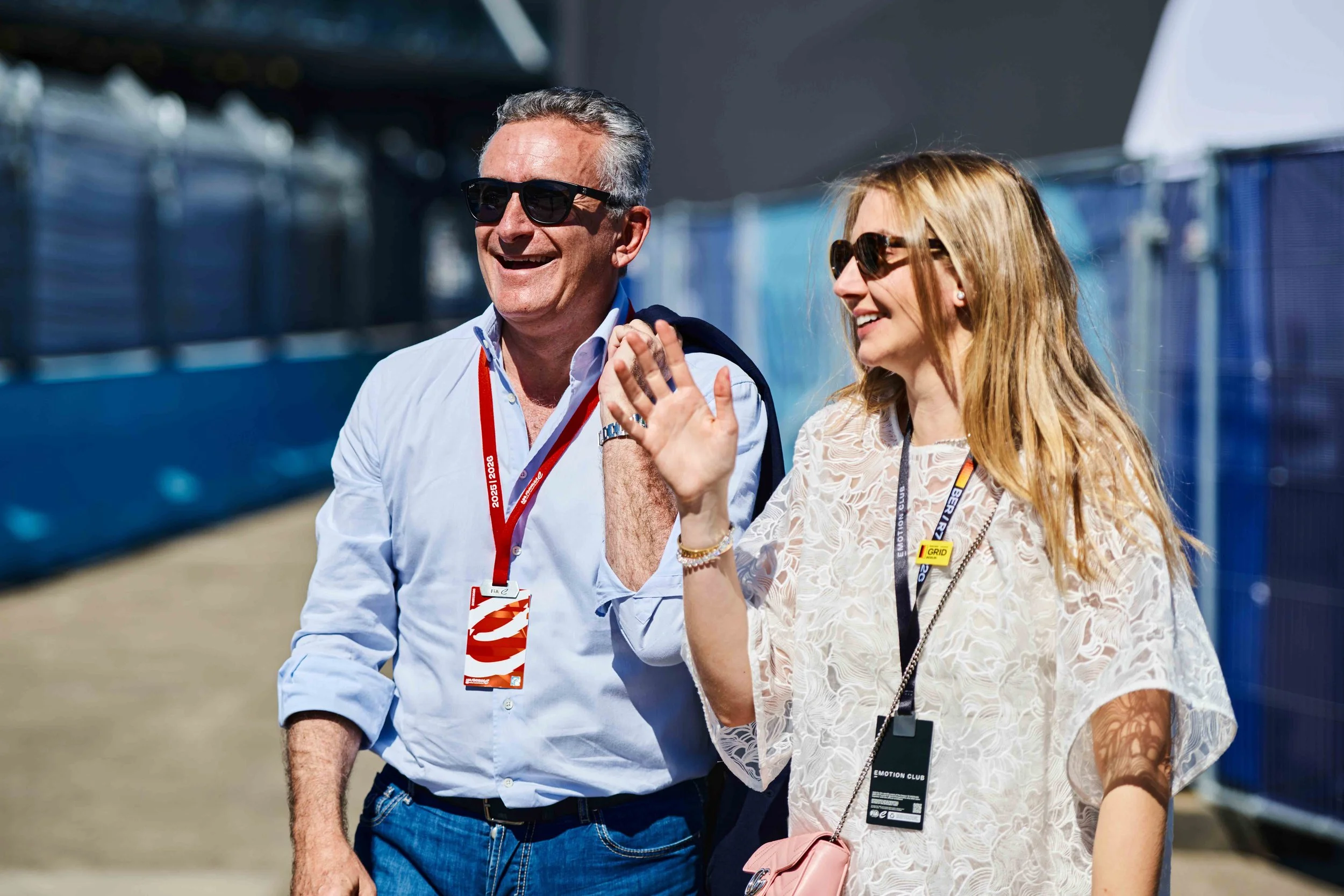
Not every important image happens on stage. Arrival moments, networking and informal interactions often become some of the most valuable content.
4. Are There Sponsors Or Stakeholders With Specific Requirements?
This is one of the most commonly overlooked sections of a photography brief.
We've occasionally discovered sponsor requirements halfway through an event.
A sponsor may have invested heavily in supporting an event, but if nobody has told the photographer which branding, activations or guests matter, those images may never be captured.
If sponsors require visibility, include details such as:
- Branding requirements
- Exhibition stands
- Product demonstrations
- Sponsor-hosted sessions
- Key sponsor representatives
A five-minute conversation before the event can save a lot of frustration afterwards.
5. Have You Discussed Delivery Deadlines?
Many event organisers focus on what happens during the event.
The reality is that what happens afterwards is often just as important.
We regularly hear things like:
"We need ten images for LinkedIn first thing tomorrow morning."
Or:
"The PR team need images for a press release by 5pm."
That's usually achievable.
But only if we know about it in advance.
Your brief should clearly state:
- Final delivery deadlines
- Whether preview images are required
- Same-day delivery requirements
- Next-morning delivery requirements
- Any sponsor or media deadlines
The earlier these conversations happen, the smoother the process becomes.
6. Have You Explained The Style You're Looking For?
One client's perfect gallery can be another client's disappointment.
Some brands want highly polished, corporate imagery.
Others want natural, documentary-style photography.
Some events require strong speaker and stage coverage.
Others prioritise networking, atmosphere and guest interaction.
A few example images can often communicate more than an entire paragraph.
If there is a particular style you like, include examples in the brief.
It doesn't mean the photographer will copy them.
It simply helps align expectations.
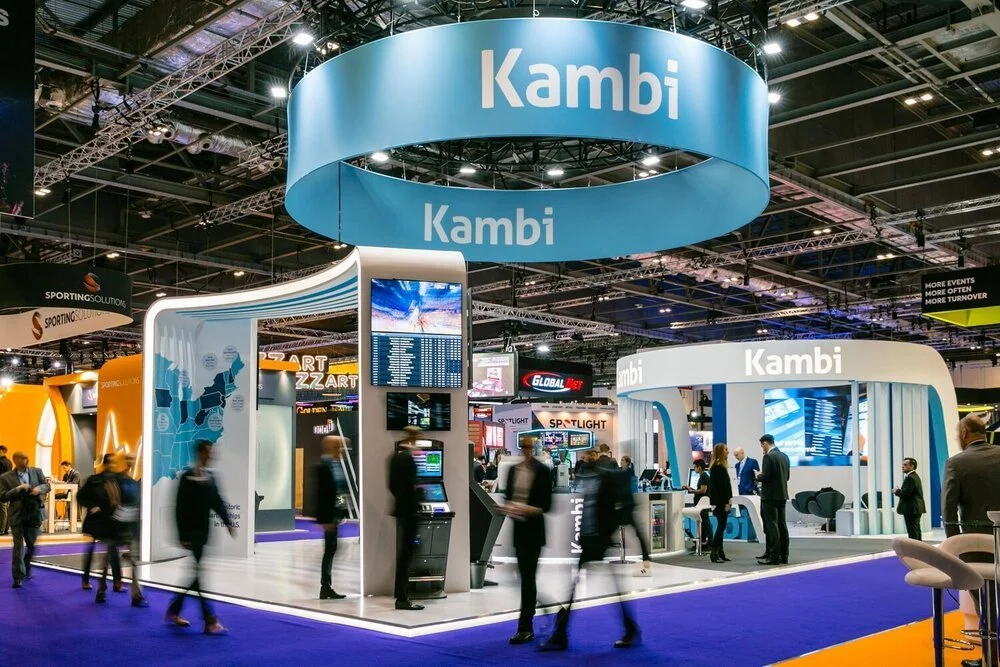
Sponsor requirements and branding priorities should always be included in an event photography brief.
7. Are You Writing A Brief Or A Shot List?
This is perhaps the biggest misconception we encounter.
A shot list tells a photographer what to photograph.
A brief tells them why.
Experienced event photographers don't usually need a list that says:
- Photograph the keynote speaker
- Photograph networking
- Photograph the audience
What they need is context.
What matters?
What doesn't?
What are the priorities?
If you could only receive twenty images from the event, what would you want them to show?
The answer to that question is often far more useful than a detailed shot list.
What Information Should Every London Event Photography Brief Include?
As a minimum, every event photography brief should contain:
- Event name
- Date
- Venue
- Number of guests
- Event type
- End client
- Image usage
- Delivery deadlines
- Key people to capture
- Key moments to capture
- Sponsor requirements
- Event schedule
- On-site contact details
- Photography restrictions
- Style references (optional)
It doesn't need to be complicated.
It just needs to provide enough context for the photographer to do their job well.
Download Our Free Event Photography Brief Template
To make things easier, we've created a free Event Photography Brief Template based on the information we ask our London clients for most frequently.
It's designed for agencies, event organisers and marketing teams and can be used whether you're working with a freelancer, an agency or an internal content team.
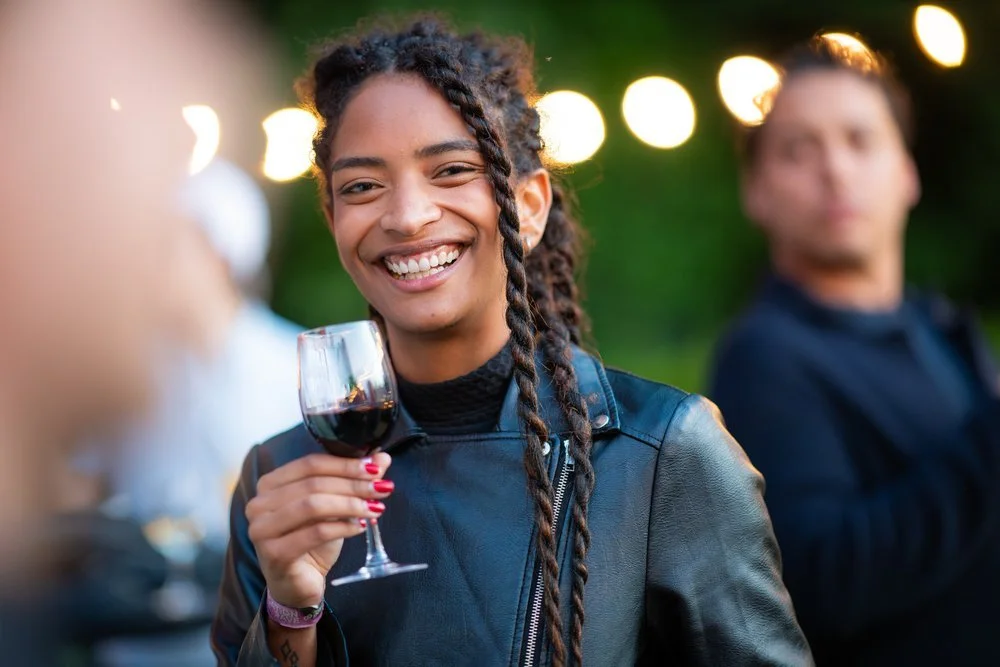
Style matters. Some clients prefer natural, documentary photography while others want more polished, editorial imagery.
COMMON QUESTIONS OUR LONDON EVENT ORGANISER CLIENTS ASK US:
-
Absolutely, although perhaps not in the way people imagine.
Most photographers aren’t memorising every line of a brief or carrying around a checklist throughout the day. What they’re really looking for is context. They want to understand what matters, who matters and where the priorities sit.
We’ve photographed events where the brief was a single paragraph and others where it ran to several pages. The length of the brief has very little correlation with the quality of the final photography.
The best briefs are usually the clearest rather than the longest. They tell us who the client is, how the images will be used, which stakeholders are important and whether there are any moments that absolutely cannot be missed.
A good brief doesn’t restrict a photographer. It helps them make better decisions throughout the day.
-
Assuming that the photographer already knows what is important.
This happens more often than you might think.
Every event organiser has spent weeks or months planning their event, so it’s natural to assume that the priorities are obvious. The challenge is that the photographer is often arriving at a venue they’ve never visited before, photographing people they’ve never met and covering an event they’ve never attended.
One organiser might care deeply about sponsor visibility. Another might be focused on audience engagement. A third may simply need strong content for future event marketing.
None of those priorities are obvious unless they’re communicated.
The most successful briefs don’t try to tell photographers exactly what to photograph. They explain what success looks like.
-
Usually not, and this often surprises people.
One of the biggest misconceptions about event photography is that a longer shot list automatically leads to better results. In our experience, that’s rarely the case.
Experienced event photographers already know they need to capture speakers, networking, audience engagement, branding and atmosphere. A long list of obvious images can sometimes become a distraction rather than a useful tool.
What’s far more valuable is understanding priorities.
If there are five people who absolutely must be photographed, tell us.
If a sponsor has paid for visibility, tell us.
If the CEO is only attending for thirty minutes, tell us.
A shot list tells a photographer what to photograph.
A good brief tells them what matters.
That’s usually much more useful.
-
Delivery deadlines, without question.
We regularly hear after an event that somebody needed images for LinkedIn by 8am the following morning, that a sponsor report was due later that day or that the PR team had already scheduled a press release.
Most of the time, those requests are completely achievable.
The challenge is that editing resources, photographer schedules and delivery workflows need to be planned in advance.
The earlier we know about those requirements, the easier it is to deliver exactly what the client needs.
It’s a simple detail, but it often has a bigger impact on the success of a project than the photography itself.
The other thing we wish clients shared more often is how the images will be used. Knowing whether content is destined for social media, PR, recruitment or paid advertising helps shape both the way the event is photographed and the licensing requirements afterwards.
-
This is one of those questions that’s surprisingly difficult to answer because most clients only ever see the final gallery.
In our experience, great event photographers aren’t necessarily the people with the newest cameras, the biggest lenses or the largest social media following.
They’re the people who remain calm when things change.
Because things always change.
Speakers run late. Schedules shift. Lighting changes. VIPs arrive unexpectedly. Important moments happen in the wrong place at the wrong time.
Great event photographers anticipate rather than react.
They know when to step forward and when to disappear.
They notice the sponsor logo nobody else has spotted, the executive who has just arrived at the venue and the reaction in the audience that’s more powerful than the speaker on stage.
Photography is the easy part.
Awareness is the skill.
That’s often the difference between a competent event photographer and a genuinely exceptional one.