
AI Is Making Content Cheaper. So Why Are Live Events Becoming More Valuable?
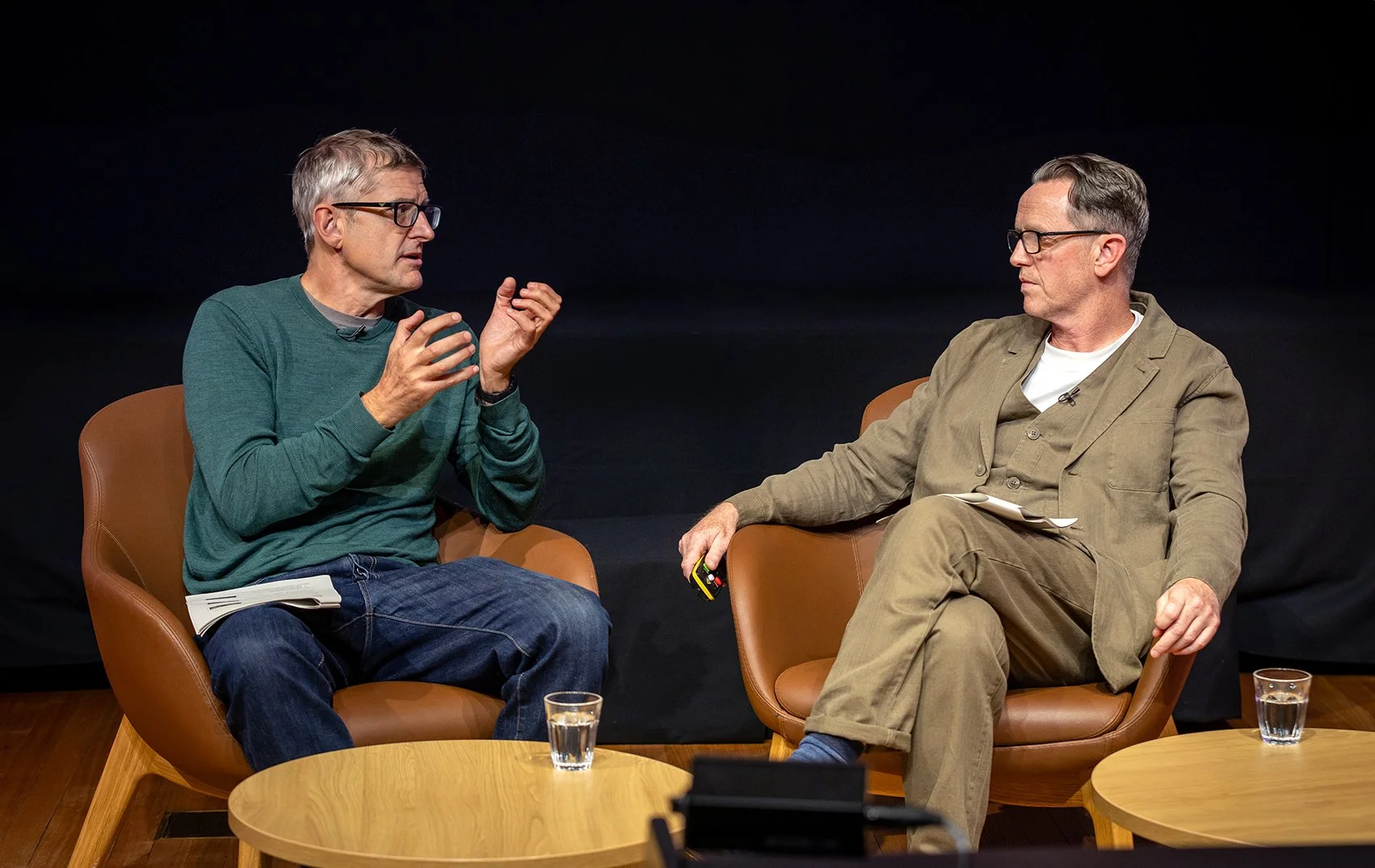
Capturing keynote speakers clearly and naturally is a core part of professional event photography.
Artificial intelligence can now generate images, write campaigns, edit video, and automate entire marketing workflows in minutes. So it’s reasonable to ask: if content is easier than ever to create, does live event photography still matter?
The data suggests it matters more than ever.
According to industry research from Bizzabo, 78% of organisers rank in-person events as their most impactful marketing channel, and over 80% of attendees prefer live events to virtual formats. Post-pandemic, the majority of event teams are maintaining or increasing their in-person event budgets year on year.
In other words, while digital content has exploded, businesses are still investing heavily in real-life experiences.
Why?
Because AI scales content. Events create connection.
The more artificial content we see, the more we crave the real thing
AI-generated visuals are becoming increasingly sophisticated. Campaign imagery can be built without a camera. Product environments can be rendered without a location. Speakers can be repurposed into social clips in seconds. But something interesting is happening alongside that.
Audiences are becoming more sceptical. More discerning. More aware of what feels constructed and in this landscape, authenticity is not sentimental. It is strategic.
Live events provide something AI cannot fabricate:
Physical presence
Shared energy
Unscripted interaction
Social proof in real time
For brands hosting conferences, corporate events, or launches in London, these moments are proof of credibility. They show that people turned up. That ideas landed. That conversations happened and that proof needs to be captured.
The risky mistake some event producers are making
As budgets tighten and AI tools promise efficiency, it can be tempting to scrimp on professional event photography. After all, everyone has a phone. AI can enhance images and content can be stitched together later.
But here’s the uncomfortable truth: The event itself may be a significant investment in venue, speakers, production, catering, and logistics. If the photography is an afterthought, the long-term value of that investment quietly diminishes.
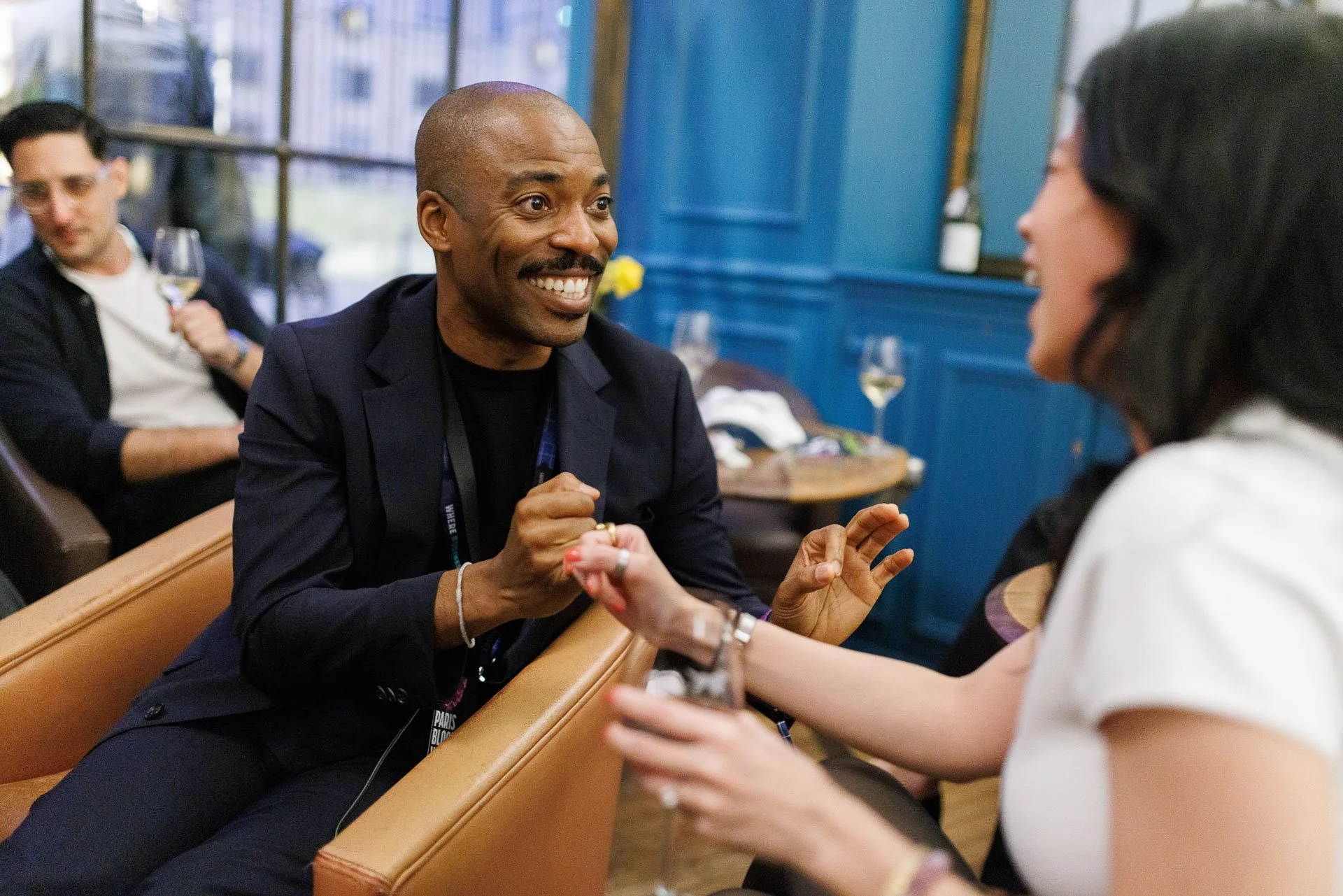
Unscripted conversations are where trust is built during live events.
Industry data consistently shows that live events drive higher trust and purchase intent than other channels. Yet without high-quality visual documentation, that impact often remains locked inside the room.
Strong event photography is not decoration and shouldn’t be an afterthought. It is valuable asset creation.
For marketing teams, it becomes:
Website content
Press coverage
Social storytelling
Internal communications
Future event promotion
Poor imagery or inconsistent coverage weakens all of that.
London events are not slowing down
London remains one of the most active global cities for conferences, brand activations, and corporate gatherings. As hybrid work continues, companies are increasingly using in-person events to build alignment and culture. Research across the events sector shows that over 65% of event organisers plan to increase or maintain their in-person event programmes in 2026, recognising their role in trust-building and lead generation.
The demand is there. The investment is there.
The question becomes: how well is it being captured?
AI should support event photography, not replace it
The smart approach is not to resist AI. It is to integrate it wisely.
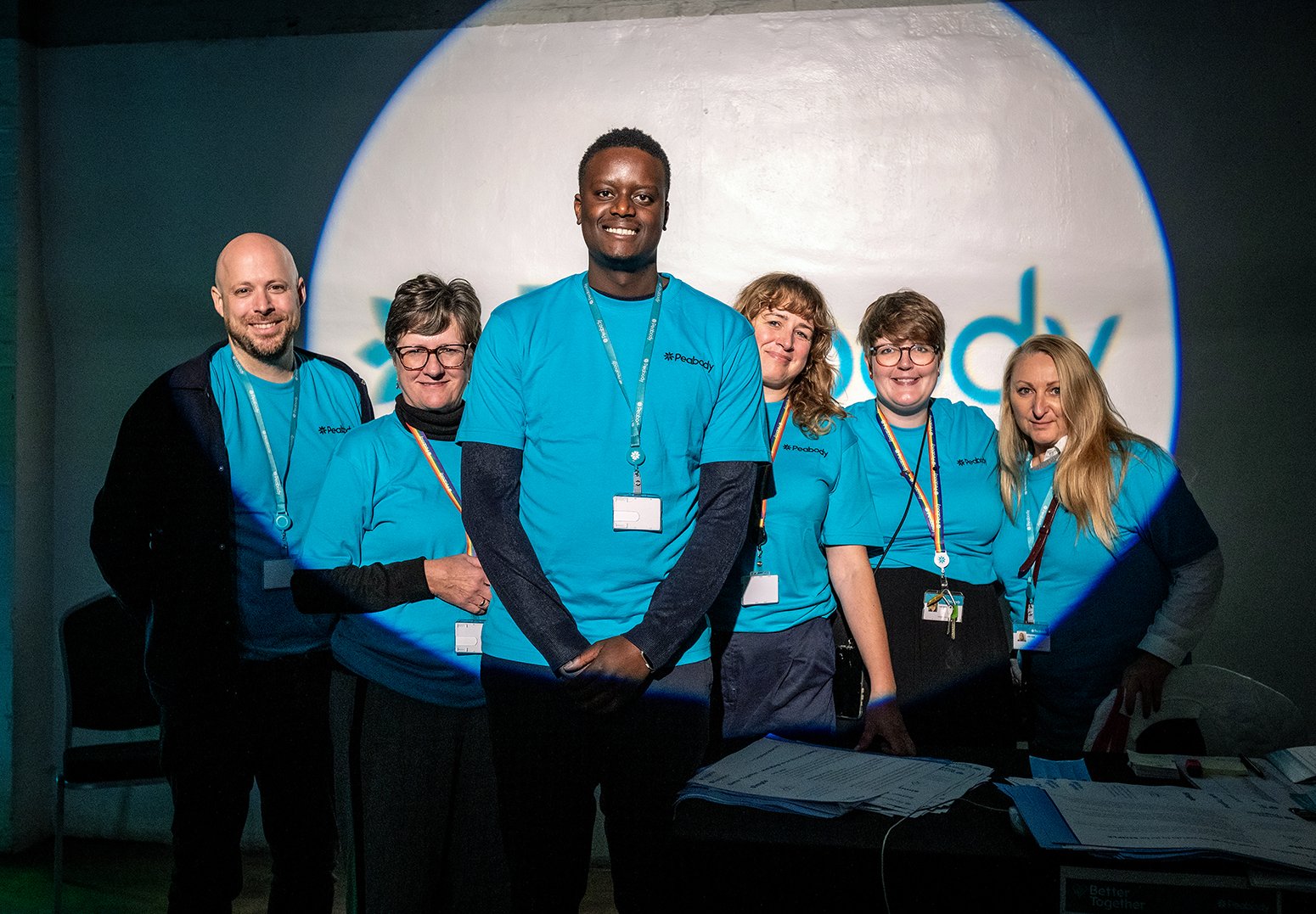
Live events create real-world interaction that carries weight beyond the day itself.
AI can:
Speed up image curation
Support tagging and archive management
Assist with content repurposing
Enhance workflow efficiency
But it cannot read the room.
It cannot anticipate a glance between speakers.
It cannot move instinctively when energy shifts.
That is human judgement.
In fact, as content becomes easier to generate, the bar for meaningful content rises.
The brands that will stand out are not those producing the most content. They are those documenting the most authentic moments.
The future is AI and IRL
The most effective event strategies today combine technological efficiency with human experience.
AI handles scale and systems.
Live events build trust and culture.
Professional event photography translates that trust into lasting value.
For event producers planning conferences, launches, or corporate events in London, the real question is not whether AI changes the landscape. It’s this: If your event is worth producing, is it worth capturing properly?
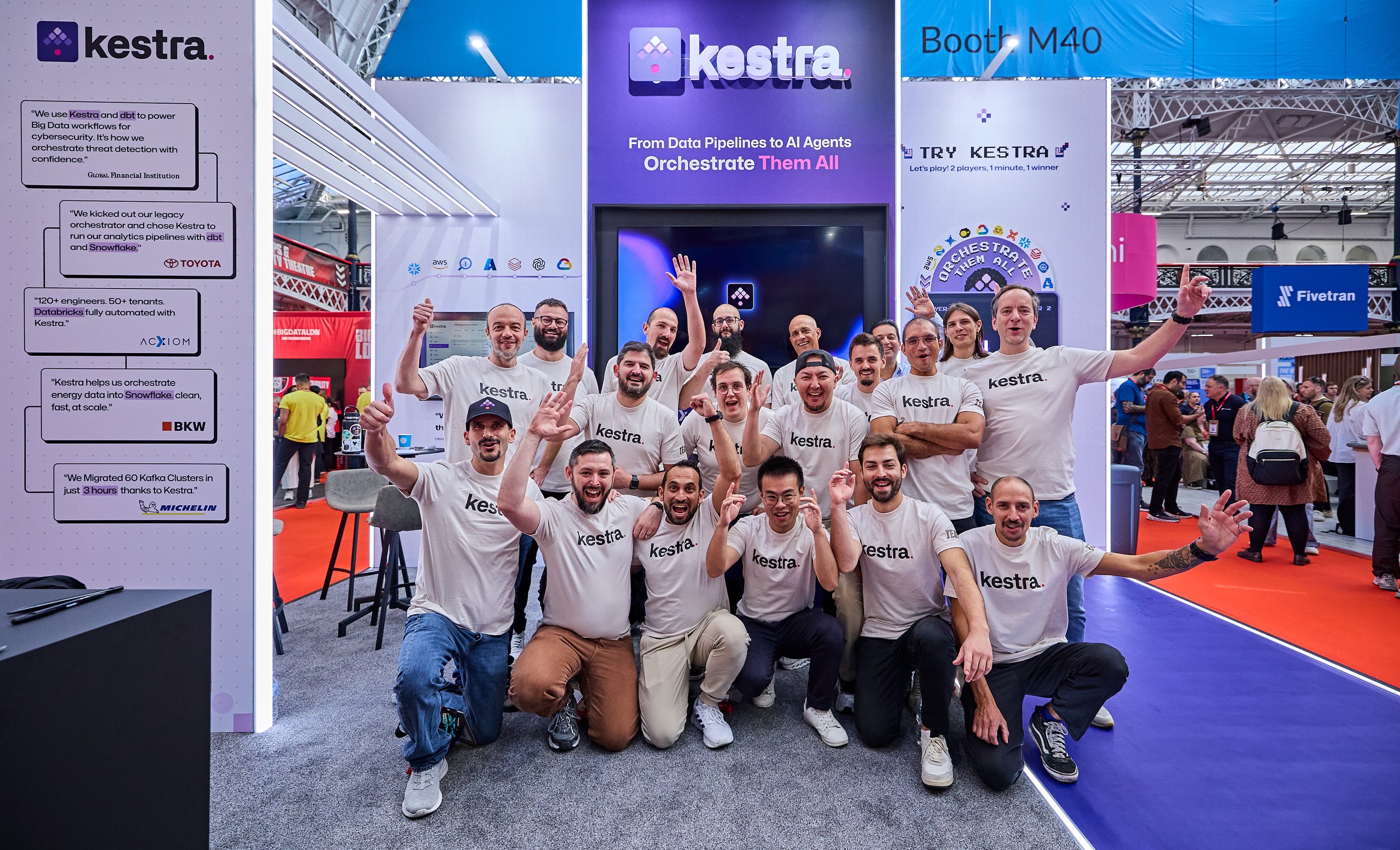
In-person events bring teams together in ways that extend beyond the stand itself.
If you are planning an event in London and want to ensure the experience delivers value long after the room empties, our team is always happy to advise on the right level of photography and videography support.
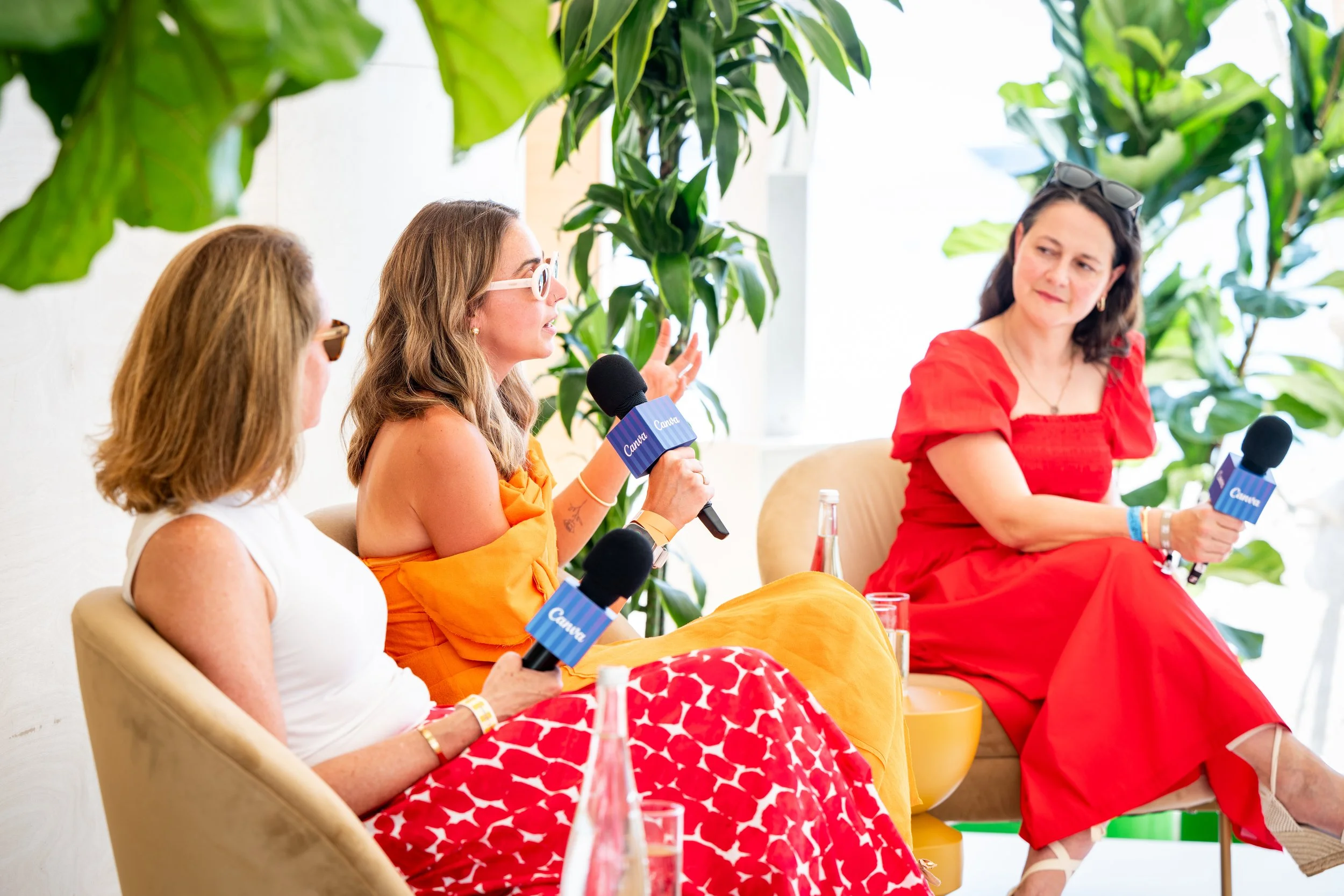
Event photography capturing panel discussions and audience engagement in a relaxed, natural way.